
From the archive: this story was first published by IOL when the Nuss procedure was first introduced in South Africa.
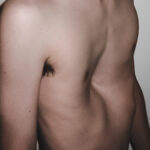
Justin Reichlin, 20, lived most of his life with a deep dent in the middle of his chest. He was born with pectus excavatum and spent his childhood hiding it under shirts. It did not fade with age, and it became more obvious during puberty.
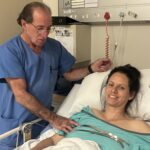
Justin read about the Nuss procedure online and contacted Dr Ivan Schewitz, who had just trained in the technique and planned to bring it to South Africa. Justin became only the third patient in the country to have it, and Dr Schewitz operated pro bono.
What makes the Nuss procedure different
The technique was developed by Dr Donald Nuss, a South African-born surgeon working in the United States. Before it, correcting a sunken chest meant open surgery that separated the breastbone from the ribs. Nuss noticed how flexible the cartilage was and designed a method where a curved bar is passed through small incisions in the side of the chest to lift the breastbone, usually in under an hour.
The change is visible straight away. Justin’s mother said she could not believe how quickly the difference showed.
Why this story still matters
At the time, the family’s medical aid refused to pay, calling the operation cosmetic. Dr Schewitz disagreed because of the emotional toll the deformity takes. Today, clear records of the effect on the heart, lungs and quality of life still help show why treatment is needed.
Read more about the Nuss procedure, or book a consultation.