Medically reviewed and approved by Dr. Ivan Schewitz, cardiothoracic surgeon. Specialist in cardiothoracic surgery since 1985, who brought the minimally invasive Nuss procedure for pectus excavatum repair to South Africa, and has delivered over 40 lectures in the field of cardiothoracic surgery, several of which on chest wall deformity repair.
Pectus Clinic · Last updated July 2026
In brief: Pectus excavatum, also known as “funnel chest,” is much more than a cosmetic concern. In moderate to severe cases, the sunken sternum compresses the heart and reduces exercise capacity, energy, and quality of life. Modern minimally invasive surgery can relieve the compression, and in suitable patients even improve cardiac function.
For many years, pectus excavatum was considered solely a cosmetic problem. Many children and adults were told that although their chest looked different, it would not cause any real medical issues.
Today we know this is not always true.
While mild pectus excavatum may cause little to no physical limitation, moderate and severe deformities can place significant pressure on the heart and affect exercise capacity, breathing, energy levels, and quality of life. Even more surprising, many patients only realize how much the condition affected them after it has been corrected.
The Heart Has Very Little Room to Move
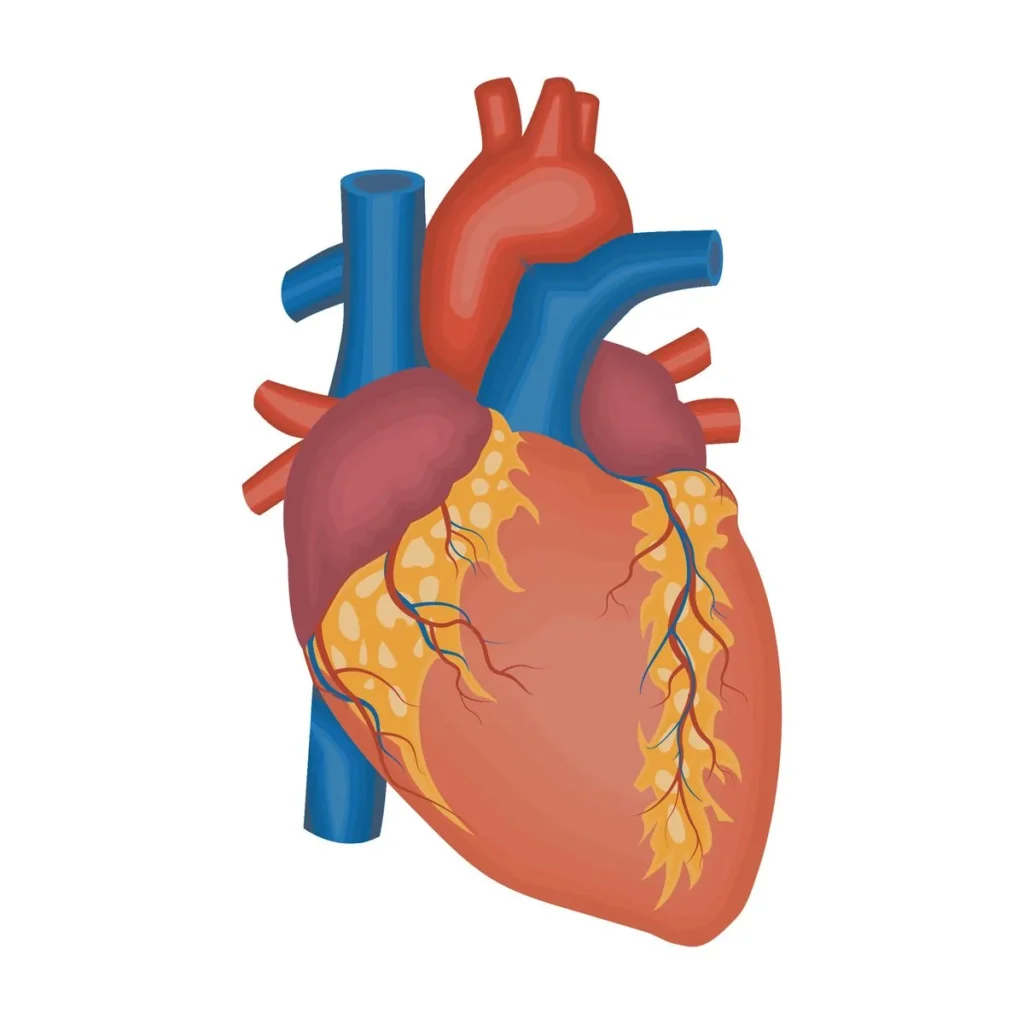
The heart is positioned directly behind the sternum. In a normal chest, there is sufficient space for it to expand and contract freely with each beat.
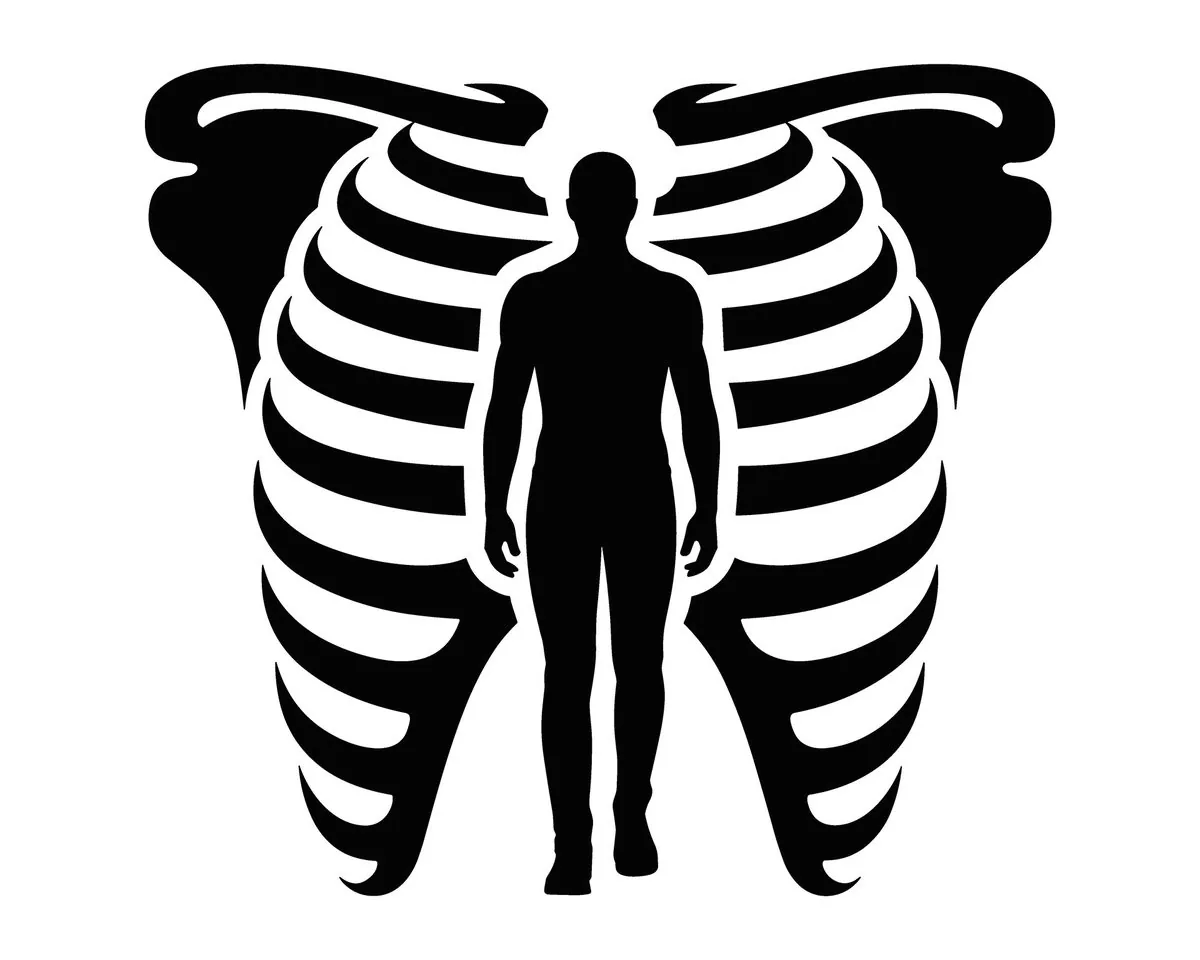
In pectus excavatum, the sternum is pushed backward toward the spine.
As the chest sinks inward, the heart is compressed into a smaller space. Instead of pushing the sternum forward, the heart simply adapts to the pressure.
Over many years, this compression becomes “normal” for the patient.
The Right Side of the Heart Is Affected Most
The part of the heart most commonly compressed is the right ventricle.
This chamber receives blood returning from the body and pumps it to the lungs to absorb oxygen. Because it is positioned directly behind the sternum, it bears the greatest pressure from the sunken chest.
When the right ventricle does not fill properly:
- Less blood reaches the lungs
- Less oxygenated blood returns to the body
- The heart cannot increase its output during exertion as efficiently as required.
This is why many patients describe themselves as having “never been in good shape,” even though they have no lung disease or other medical condition.
Many Are Unaware That Something Is Wrong
One of the fascinating aspects of pectus excavatum is that symptoms often develop gradually.
Children adapt. Teenagers assume everyone feels exhausted after sports. Adults believe they are simply aging or losing fitness.
Because they have lived with the condition their entire lives, they have no idea how “normal” exercise capacity should feel.
Patients often describe:
- Tiring more quickly than friends
- Shortness of breath on inclines or stairs
- Poor endurance during sports
- Difficulty keeping up with teammates
- Reduced endurance despite regular training
- Chest discomfort during exertion
- Occasional palpitations.
These symptoms are often attributed to poor fitness, asthma, or anxiety, when in fact the heart is operating under mechanical restriction.
Can Pectus Excavatum Affect Professional Athletes?
Yes. Some competitive athletes function impressively well despite severe pectus excavatum, because their bodies compensate very efficiently.
However, even well-trained athletes may notice they are not reaching expected performance levels despite intensive training.
After surgical repair, many athletes report significant improvement in endurance, recovery, and physical performance.
How Do We Know the Heart Is Compressed?
Modern imaging has transformed our understanding of pectus excavatum.
- Echocardiography (ultrasound of the heart) can often show the right ventricle flattened due to the sternum.
- CT scans demonstrate how the heart is pushed toward the left side of the chest.
- Cardiopulmonary exercise testing (CPET) precisely measures how the heart and lungs function during exertion, often revealing a decrease in exercise capacity that patients were not even aware of.
Together, these tests provide objective evidence that the deformity affects cardiac function, not just the appearance of the chest.
Does Surgery Actually Improve Cardiac Function?
This is perhaps the most exciting development of the past decade.
International studies have shown that pectus excavatum repair can improve cardiac filling and output in suitable patients.1,2
When the sternum is lifted to its normal position during minimally invasive repair (known as the Nuss procedure), the heart immediately gains more space.
The compressed right ventricle expands toward its normal shape. Blood flows more freely through the heart. Cardiac output, the amount of blood the heart pumps each minute, increases.
Patients often experience:
- Easier breathing
- More energy
- Improved exercise capacity
- Faster recovery after physical activity
- Better endurance
- Less chest discomfort
- Improved self-confidence.
Many describe the change in surprisingly similar words: “I did not realize how limited I was until after surgery.” For some, it is the first time they experience what normal physical exertion feels like.
It Is Not Just About Physical Exertion
Improvement in cardiac function affects daily life. Patients often discover they have more energy at work or school. Children participate more confidently in sports. Teenagers become more socially active. Adults enjoy activities they quietly abandoned years earlier.
Combined with the significant improvement in body image and self-confidence, the overall change in quality of life can be remarkable.
Is Surgery Recommended for Everyone?
No. Not every patient with pectus excavatum requires surgery. Many people with mild deformities have completely normal heart and lung function, and may only need monitoring.
The decision to operate depends on several factors, including:
- Severity of chest deformity
- Evidence of cardiac compression
- Respiratory function
- Exercise limitation
- Symptoms
- Psychological impact.
Every patient should undergo comprehensive evaluation before making a treatment decision.
The Importance of Specialist Evaluation

One of the most common misconceptions about pectus excavatum is that the appearance of the chest tells the whole story. This is not the case.
Some patients with visually striking deformities have surprisingly normal cardiac function, while others with less prominent chest changes suffer significant cardiac compression. This is why specialist evaluation is so important.
At Pectus Clinic, every patient undergoes detailed evaluation that may include CT imaging, echocardiography, pulmonary function tests, and cardiopulmonary exercise testing. These tests help determine whether the chest wall is affecting the heart and lungs, and whether surgical repair is expected to provide significant benefit.
The Bottom Line
Pectus excavatum is much more than a cosmetic problem. For many people, especially those with moderate or severe deformities, the sunken sternum compresses the heart and limits its ability to function efficiently during exertion and daily activities.
The encouraging news is that modern surgical repair can restore the chest wall to its normal position, relieve pressure on the heart, and significantly improve exercise capacity, breathing, and overall quality of life.
If you or your child has pectus excavatum and you are experiencing shortness of breath, reduced fitness, or chest discomfort, it is worth asking one simple question: Is the heart compressed?
Specialist evaluation can provide the answer, and for many patients it is the first step toward a healthier and more active life.
Schedule an Evaluation at Pectus Clinic
Concerned about pectus excavatum for yourself or your child? Contact the clinic to schedule an evaluation.
Medical Disclaimer: This article is intended for general information only and does not constitute a substitute for personal medical advice. If you are concerned about pectus excavatum or any related symptoms, please consult a qualified specialist.
References
- Maagaard M, Heiberg J. Improved cardiac function and exercise capacity following correction of pectus excavatum: a review of current literature. Ann Cardiothorac Surg. 2016;5(5):485-492. PMC5056930
- Tang M, Nielsen HH, Lesbo M, et al. Improved cardiopulmonary exercise function after modified Nuss operation for pectus excavatum. Eur J Cardiothorac Surg. 2012;41(5):1063-1067. doi:10.1093/ejcts/ezr170
- NHS, Pectus Excavatum (Overview and Treatment): nhs.uk/conditions/pectus-excavatum